Landscape Designers Honolulu HI transform ordinary outdoor spaces into beautiful sanctuaries. Their expertise is instrumental in creating commercial properties that leave a positive impression on customers, as well as public parks and gardens that foster community connection.
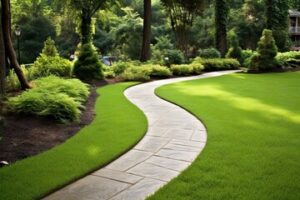
A comprehensive site analysis is conducted before the design process begins. This includes assessing the soil, climate and existing vegetation.
A bachelor’s degree in landscape architecture typically includes a mix of lectures and studio design courses. These give students a solid foundation in horticulture and the creative processes involved in landscape design, with opportunities to learn specific techniques like modeling and mapping through digital design software.
Graduates may choose to pursue a master’s degree in landscape architecture to enhance their career options and advance in the field. Master’s programs offer in-depth research and advanced projects that are more applicable to a professional setting than the work done in an associate’s program. In addition to learning new skills, this level of education allows students to develop a portfolio that they can use when applying for jobs.
Some landscape designers may also decide to become Certified Professional Landscape Designers (CPLD) through the American Society of Landscape Architects. This certification demonstrates that they have met certain industry standards and can provide high-quality, sustainable landscapes. A CPLD can also help their clients navigate the legal processes required to bring landscape projects to life.
For many landscape architects, a project’s success depends on their ability to create detailed plans and models using computer-aided design (CAD) software. These tools allow landscapers to visualize the end result, which is a huge advantage when working with clients who aren’t sure exactly what they want or need.
Besides planning the layout, a good landscaper should consider a space’s functionality. For example, a large water feature or sculpture can add a focal point to an outdoor living area while creating a peaceful place to meditate or relax. In the same way, a well-designed garden should include paths to encourage exploration and connect visitors with different elements of the landscape.
Site Analysis
Site analysis provides landscape architects with critical insights that allow them to develop designs that are harmonious with the surrounding natural environment and cultural context. From conducting topographic surveys to assessing existing vegetation, microclimates and drainage patterns, a thorough site analysis offers a wealth of opportunities that help ensure the success of any project.
Site assessments often begin with a visit to the actual location, allowing designers to gain firsthand experience of the space and evaluate its dimensions. A visual map is often created, with key site elements like trees, slopes and drainage outlets marked on the diagram. The assessment also includes important environmental factors, such as climate data on temperature ranges and precipitation. Existing sun paths and angles are analyzed, as well as the site’s prevailing winds. If the site is in a flood zone, an evaluation of existing drainage patterns is conducted.
Once the site analysis is complete, the information is transcribed into relevant site data. This data will then be combined with the design goals and limitations of the project to form the basis for schematic design. Site analysis can help landscape architects to identify the functional needs of a project’s users, ensuring that it meets their goals while promoting environmental sustainability. A comprehensive site analysis also identifies a site’s unique characteristics, which can help to shape the overall design aesthetic. For example, a site with cultural or historical significance may require a design that celebrates the local vernacular and styles.
Consultation
Whether you’re looking to plant a few trees in your front yard or build a backyard oasis, having a landscaping project completed can be exciting. However, before you call to schedule your consultation with a landscape professional or even if you’ve already made the appointment, there are some important steps that can help streamline the process and ensure your finished project aligns with your goals.
When preparing for your meeting, it’s helpful to create a list of the top priorities you have for your space. This will keep the conversation focused and ensure your designer hears your ideas clearly. Some of the key items to include are:
A thorough site analysis is critical to ensuring your design is successful. This step involves assessing the soil quality, existing conditions, drainage and sunlight exposure, and identifying any potential issues. In Florida, considering our tropical climate and the potential impact of hurricanes is an especially important aspect of this phase.
Once you’ve established a clear understanding of your needs and objectives, it’s time to discuss budgetary constraints. Knowing the estimated cost of materials and labor helps the designer develop a plan that fits within your budget. Many designers offer a flat rate for the design work, while others charge hourly.
Lastly, you should ask your prospective landscape designer about their experience with similar projects and the types of plants they’re familiar with. This will provide insight into their expertise and ability to address your unique needs. It’s also a good idea to interview multiple landscape professionals before making your final decision. This will give you a chance to compare their experience, style and price point. Ideally, you should choose a landscape contractor who offers both design and installation services to ensure your project is executed seamlessly from start to finish.
Design
Landscape Designers create, present, and develop outdoor spaces that are both beautiful and functional. These spaces are a mix of elements such as plants, trees, flowers, and even water features. The design process often involves taking into account the client’s vision and preferences. It’s important that these elements complement the architecture of the home and the natural surroundings. Landscape designers also take into account the functional requirements of the space, such as if it will be used for entertaining or relaxing.
In order to come up with the best possible designs, Landscape Designers must have a variety of skills. Verbal communication is key, allowing them to relay the details of the design to the clients. They must also be creative and have strong critical thinking skills. This allows them to identify different solutions and evaluate their options before deciding on the final one. Using advanced software, they often create realistic simulations that allow clients to visualize the finished product.
Once they have finalized the design, Landscape Designers must be able to communicate with contractors to ensure that the project is implemented properly. This may involve discussing materials, construction methods, and timelines. Regular check-ins are also essential to ensure that the project stays on schedule and any necessary adjustments can be made.
Aside from coordinating with contractors, Landscape Designers must be able to complete a number of other tasks in the office. This includes creating detailed plans and drafting specifications using computer-aided design (CAD) software, as well as researching plants and materials to make sure they meet the project’s requirements. In addition, they must stay up to date on local codes and regulations to avoid any potential problems.
Construction
Landscape construction is a critical step in turning your landscape design plans into reality. Professionally constructed landscapes not only look great, but also reduce maintenance costs and improve overall property value. Landscape construction experts take into account the long-term financial implications of each design decision, minimizing costly corrections or replacements down the road. Additionally, they have access to wholesale plant and material suppliers that can further reduce project expenses.
Landscape designers typically perform the following duties throughout the design process:
Conducting site analysis and assessing existing conditions like soil quality, climate, topography, and vegetation. Creating detailed designs and drawings using advanced software to illustrate their vision and guide the construction process. Communicating with clients to ensure expectations are met and to gather feedback during the planning process.
Choosing appropriate plants and materials for specific climates and soil conditions. Developing and maintaining strong relationships with local vendors. Managing budgets and project schedules.
A qualified landscape design and construction team can help you achieve the beautiful outdoor space you’ve always wanted. In addition to increasing your curb appeal, landscaping professionals can make your outdoor environment a place to relax and connect with nature. Spending time in a well-designed landscape can even enhance your mental and physical health, reducing stress and boosting mood.
When choosing a landscape contractor, be sure to ask about their education and training. A landscape architect is required to have a degree in the field and be licensed by your state’s professional licensing board. Licensing requirements vary by state, but typically include an accredited program and work experience under a licensed landscape architect.
